

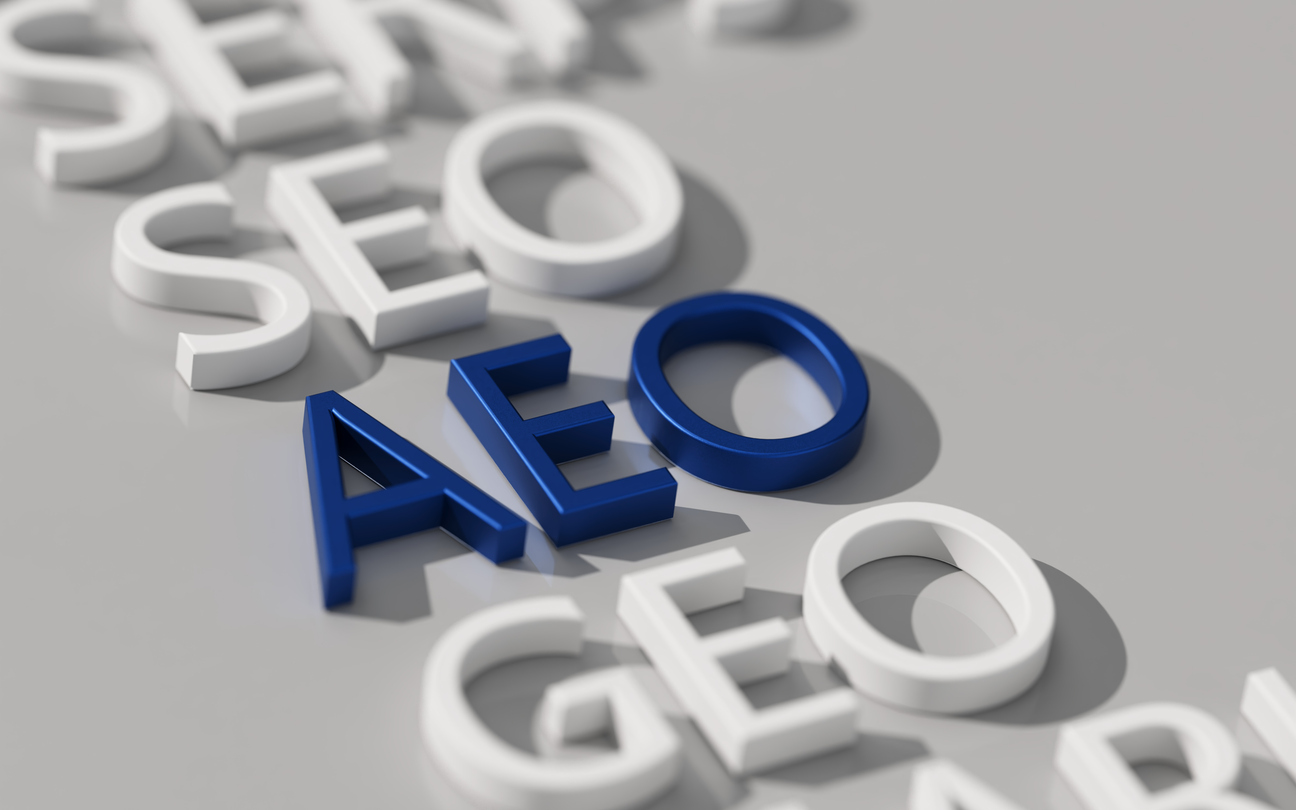
Search has always evolved, but the pace of change today is unlike anything before. Businesses once focused solely on ranking webpages. Then came featured snippets, voice search, and answer boxes. Now, AI-powered systems are rewriting how information is discovered, summarized, and trusted. As new acronyms like SEO, AEO, and GEO enter the conversation, many marketers are asking a simple question: what’s really changed, and how should strategy evolve?
Understanding these shifts is essential for brands that want to stay visible and relevant in a world shaped by generative AI.
Search Engine Optimization (SEO): The Foundation That Still Matters
Search engine optimization remains the backbone of digital visibility. At its core, SEO ensures that websites are technically sound, discoverable, and aligned with user intent. It focuses on crawlability, site speed, content relevance, backlinks, and user experience.
Despite all the changes in search behavior, SEO is not obsolete. Search engines still need structured, authoritative websites to index and rank. Strong SEO fundamentals make it possible for any content—whether human-read or AI-summarized—to be discovered in the first place.
However, SEO alone is no longer enough to dominate modern search experiences.
Answer Engine Optimization (AEO): Optimizing for Direct Answers
As search engines began delivering answers directly on results pages, AEO emerged as a way to optimize for featured snippets, FAQs, and voice search responses. The goal of AEO is to provide concise, clear answers to specific questions so search engines can surface them instantly.
AEO pushed marketers to think less about pages and more about answers. Structured data, question-based content, and clear formatting became essential. This was an important step toward today’s AI-driven search, but AEO still operates largely within traditional search engine frameworks.
Why Generative AI Changed the Game Entirely
Generative AI introduced a much bigger shift. Instead of pulling one answer from a page, AI systems analyze multiple sources, evaluate credibility, and synthesize a new response. These responses often feel final, conversational, and authoritative.
This means users may never see a traditional search results page. They trust AI to summarize the web for them. For brands, visibility now depends on whether AI systems recognize their content as reliable enough to reference.
This is where generative engine optimization comes into focus.
What Generative Engine Optimization (GEO) Really Means
Generative engine optimization is the practice of structuring content so generative AI systems can understand it, trust it, and use it when generating answers. Rather than optimizing only for rankings or snippets, GEO optimizes for inclusion in AI-generated responses.
This approach emphasizes:
- Clear explanations of promotional language
- Topical depth rather than thin content
- Consistent messaging across digital touchpoints
When AI systems evaluate content, they look for clarity, authority, and alignment with known facts. GEO helps brands meet those expectations and become part of the AI-driven conversation.
GEO vs SEO: Evolution, Not Replacement
It is important to understand that generative engine optimization does not replace search engine optimization. Instead, it builds on it.
SEO helps your content get found.
GEO helps your content get used.
Without SEO, AI may never encounter your site. Without GEO, AI may encounter it but decide not to reference it. Together, they form a more resilient strategy for AI search optimization and long-term visibility.
How Digital Marketing Strategies Must Adapt
Digital marketing can no longer operate in silos. Blogs, landing pages, PR placements, and thought leadership all contribute to how AI evaluates a brand’s authority. Inconsistent messaging weakens trust signals.
Modern digital marketing strategies must focus on:
- Educating rather than overselling
- Reinforcing expertise across channels
- Maintaining accuracy and freshness
This consistency makes it easier for AI systems to recognize a brand as a reliable source worth citing.
The Growing Importance of AI Search Optimization
AI search optimization reflects how people now interact with information. Users expect direct, accurate answers without effort. Brands that optimize for AI-driven discovery reduce friction and build trust faster.
This includes:
- Writing in plain, explanatory language
- Using clear headings and logical structure
- Addressing real user questions directly
These practices improve both human experience and AI comprehension, which is essential as generative AI becomes a primary discovery layer.
Measuring Success in a GEO-Driven World
Traditional metrics like rankings and traffic still matter, but they no longer tell the full story. In AI-driven environments, success also looks like:
- Being referenced in AI-generated answers
- Brand mentions without direct clicks
- Influence earlier in the decision journey
Generative engine optimization shifts the focus from volume to authority. One trusted AI reference can carry more impact than thousands of low-intent visits.
Common Misconceptions About GEO and AEO
One common misconception is that GEO is just AEO with a new name. While related, the scope is different. AEO optimizes for answers pulled from pages. GEO optimizes for answers generated by AI across many sources.
Another misconception is that GEO is only for large brands. In reality, smaller businesses with clear expertise and focused content can perform exceptionally well because AI systems value clarity and relevance over brand size.
How TruScaler Helps Brands Navigate SEO, AEO, and GEO
Adapting to this evolving landscape requires more than theory. TruScaler helps businesses align search engine optimization, AI search optimization, and generative engine optimization into a single, performance-driven strategy.
By focusing on content structure, authority building, and consistency across digital channels, TruScaler helps brands stay visible where modern decisions are made—inside AI-generated answers as well as traditional search results.
The Future of Search Strategy Is Trust-Based
Search strategy is no longer just about being found. It is about being trusted. As generative AI continues to shape how people consume information, brands that invest in clarity, credibility, and consistency will lead the way.
SEO, AEO, and GEO are not competing ideas. They represent different stages of search evolution. The most effective strategies embrace all three, using SEO as the foundation, AEO for direct answers, and GEO for AI-driven discovery.
Evolving With Search, Not Chasing It
The names may be changing, but the goal remains the same: helping people find trustworthy information. Generative engine optimization reflects how search is evolving toward understanding, not just indexing.
If your business wants to remain visible, influential, and competitive in an AI-first world, now is the time to adapt. Partnering with experts like TruScaler can help you turn evolving search strategies into sustainable growth. Start building a future-ready search presence today and make sure your brand is part of the answers, not left behind.