
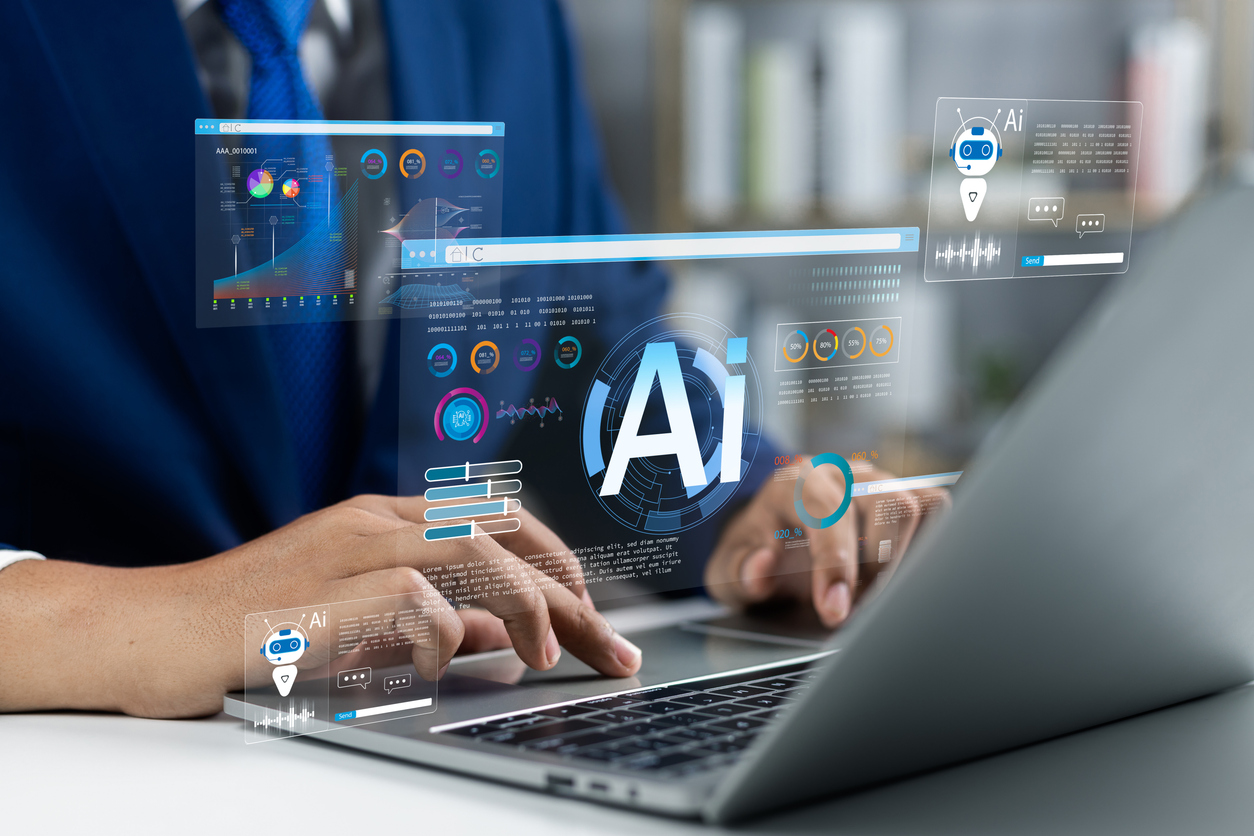
Search is no longer just about links and rankings. It has become conversational, contextual, and increasingly driven by artificial intelligence. As AI-powered platforms reshape how people discover information, businesses must rethink how they approach visibility. Integrating generative engine optimization with traditional SEO is now essential for brands that want to stay relevant, trusted, and competitive in this evolving digital landscape.
This integration is not about replacing existing strategies. It is about strengthening them by aligning how humans search with how AI systems interpret, summarize, and recommend content.
Understanding Generative Engine Optimization in Modern Search
Generative engine optimization focuses on preparing content so AI-driven systems can understand it, trust it, and include it in generated responses. Instead of competing only for blue-link rankings, brands aim to become part of the answers AI provides.
This approach emphasizes clarity, authority, and context. Content must answer real questions, explain concepts thoroughly, and demonstrate expertise. When done correctly, generative engine optimization positions brands earlier in the decision journey, often before a user ever clicks a website.
How Search Engine Optimization Still Forms the Foundation
Search engine optimization remains critical. It ensures websites are technically sound, accessible to crawlers, and aligned with user intent. SEO focuses on site structure, keyword relevance, internal linking, page speed, and authority signals such as backlinks.
Without strong SEO fundamentals, content may never be discovered in the first place. This is why integration matters. SEO gets your content found, while generative-focused strategies help ensure that content is understood and surfaced by AI tools in meaningful ways.
Generative Engine Optimization vs Traditional SEO
While both approaches aim to improve visibility, they serve different but complementary purposes. Traditional SEO optimizes for ranking positions and traffic. Generative engine optimization optimizes for inclusion, summarization, and citation within AI-generated answers.
Together, they form a layered strategy. SEO supports discoverability across classic search results, while generative-focused optimization ensures your brand is recognized as a reliable source in AI search optimization environments. Businesses that use only one approach risk losing visibility as search behavior continues to evolve.
The Role of GenAI and Generative AI in Discovery
GenAI and generative AI have transformed how search platforms operate. Instead of returning a list of options, AI systems analyze intent and synthesize responses from multiple trusted sources.
For marketers, this means content must go beyond surface-level optimization. It needs depth, structure, and credibility. AI systems favor content that explains, educates, and provides context rather than content designed purely to rank.
When brands align SEO with generative optimization, they improve their chances of being referenced when AI systems generate answers to complex questions.
Digital Marketing Strategies Aligned With AI Search Optimization
Digital marketing no longer operates in isolation from search. Content marketing, brand messaging, and distribution channels all influence how AI evaluates relevance and authority.
Integrating SEO with generative optimization ensures consistency across digital touchpoints. Blogs, guides, landing pages, and thought leadership content should reinforce the same expertise and messaging. This alignment strengthens trust signals and improves performance across both traditional search engine optimization and AI search optimization platforms.
Multicultural Marketing in AI-Driven Search Experiences
AI systems are increasingly capable of interpreting language nuance, cultural context, and regional relevance. This makes multicultural marketing more important than ever.
Content that reflects diverse perspectives and inclusive language is more likely to resonate with global audiences and be surfaced accurately by AI systems. Integrating multicultural marketing into your SEO and generative strategy ensures your brand communicates clearly across different markets while maintaining consistency and authenticity.
Structuring Content for Humans and AI
Clear structure benefits everyone. Well-organized headings, concise explanations, and logical flow make content easier for readers to navigate and for AI systems to interpret.
Integrated strategies encourage answering questions directly, using consistent terminology, and avoiding vague or overly promotional language. This structure supports both SEO performance and generative inclusion, making content more useful and more visible.
Measuring Success Beyond Traffic Metrics
As AI-driven search grows, success metrics must evolve. Traffic and rankings still matter, but they no longer tell the full story. Visibility within AI-generated answers, brand mentions, and authority signals is becoming equally important.
Generative engine optimization shifts focus from volume to influence. Being summarized or cited by AI tools often indicates stronger positioning than ranking alone, especially for high-intent searches.
Why Integration Creates Long-Term Resilience
Search algorithms and AI models will continue to change. Integrated strategies provide flexibility and resilience because they are built around principles rather than loopholes.
By aligning SEO best practices with generative-focused content, brands future-proof their visibility. They are better prepared for new search interfaces, conversational platforms, and AI-driven discovery tools that may emerge.
How TruScaler Helps Businesses Align SEO and Generative Strategies
Successfully integrating these approaches requires expertise, testing, and ongoing optimization. TruScaler helps businesses bridge traditional SEO with generative engine optimization by focusing on authority, structure, and performance across evolving search environments.
Rather than chasing short-term tactics, TruScaler builds scalable strategies that align content, technical SEO, and AI readiness. This approach supports long-term growth by ensuring brands remain discoverable, credible, and competitive as AI search optimization becomes standard.
Preparing Teams for an Integrated Search Future
Integration is not just a technical shift. It is a mindset change. Marketing teams must collaborate across SEO, content, and strategy to ensure alignment. Education and experimentation play a key role in adapting to AI-driven discovery.
Brands that embrace this integration early gain a compounding advantage. They establish authority sooner, learn faster, and adapt more effectively as search continues to evolve.
Building a Smarter Search Strategy Today
The future of search is hybrid. Traditional search engine optimization and generative engine optimization are no longer separate paths but complementary forces. Together, they create a more complete, resilient approach to visibility in an AI-driven world.
If your goal is to stay competitive as search evolves, now is the time to integrate these strategies. Working with an experienced partner like TruScaler can help you turn AI-driven change into sustainable growth. Take action today and build a search strategy that works for both humans and intelligent systems.