ChatGPT vs. Google: The Experience Gap
Let’s be clear: Google is still a powerhouse. It has an unmatched search index depth, a dominant browser, and a global ad business built into commercial search behavior.
But here’s where ChatGPT is winning — and why users are flocking to it:
Google | ChatGPT |
You search, click, sort, read, analyze | You ask → It answers, summarizes, and guides |
Ads overwhelm top results | No ads interrupt answers (for now) |
Requires navigating multiple links | Instant response in one place |
Dependent on SEO manipulation | AI synthesizes the best info dynamically |
Traditional SERP experience | Conversational, tailored experience |
Consumers have always wanted answers, not links. AI finally delivered the experience Google never did.
Behavior Shift: People Aren’t “Searching” — They’re Asking AI
Search used to be:
“Best faucets for bathroom remodel”
Now it’s becoming:
“What are the best faucet brands for a modern bathroom remodel and which one is most durable?”
People want expert-level guidance, context, and next-step recommendations — not 10 blue links.
ChatGPT doesn’t send you hunting across 20 pages. It brings the knowledge to you in seconds.
That’s not a small UX upgrade — that’s a paradigm shift.
Traffic Attribution: Why Google Sometimes Labels ChatGPT Traffic as “Direct”
If you’re a marketer, you may already be noticing something strange:
- Shopify shows conversions attributed to ChatGPT
- Google Analytics often counts ChatGPT traffic as Direct
Why?
Referral Tracking Limitations
ChatGPT browsers and in-app links sometimes don’t pass referral parameters. When referral tags aren’t passed, Google defaults to Direct traffic.
Meaning:
AI-driven visits look like someone typed your URL manually.
That’s not direct — that’s invisible AI-assisted intent.
Google’s Data Protection Strategy?
Let’s be blunt — acknowledging ChatGPT as a traffic source highlights a competitor. Google has zero incentive to celebrate inbound traffic from AI tools.
If users rely on AI instead of searching Google, that’s a threat to Google’s core model.
Dynamic Linking Behavior
ChatGPT sometimes uses browser hand-off protocols that strip referral data — but Shopify and modern e-commerce systems are already adapting and detecting AI-origin sessions.
This is the new SEO reality:
AI is influencing buying behavior, but Google isn’t fully reporting it.
Shopify Sees It Before Google Does
E-commerce platforms are building attribution models around actual behavior, not legacy search reporting structures.
When Shopify shows ChatGPT → sale attribution, it’s not a coincidence.
It’s proof that:
✅ AI is influencing purchase decisions
✅ Consumers are clicking from ChatGPT to websites
✅ AI is already part of the buyer journey
Google simply isn’t eager to admit it yet.
Does This Mean Google Is Finished?
Not at all. Google still has:
- Dominant browser distribution
- Billions of daily searches
- Google Maps & local intent monopoly
- Deep integration with Android & Chrome
- Growing AI models (Gemini, etc.)
But search behavior is fracturing. AI isn’t “another tool” — it’s a replacement layer over information.
Think of it like this:
Traditional Internet → Google was the gateway
AI Internet → AI assistant becomes the gateway
And gateways matter more than content.
The New Truth: SEO Isn’t Dead — It’s Evolving
Old SEO mindset:
Optimize to rank on Google
New SEO reality:
Optimize to rank everywhere — Google, ChatGPT, Gemini, Perplexity, and AI assistants
This shift has a name:
Generative Engine Optimization (GEO)
Businesses that adapt will dominate. Those who cling solely to Google rankings will fade.
Is Google inferior to ChatGPT?
In some user experience categories — yes.
In search volume and infrastructure — not yet.
But the power of discovery is shifting from search engines to AI advisory engines.
And the most interesting part?
AI platforms are already driving traffic and revenue — even when Google tries not to count it.
The brands that embrace this new era early will lead the next decade of digital marketing.


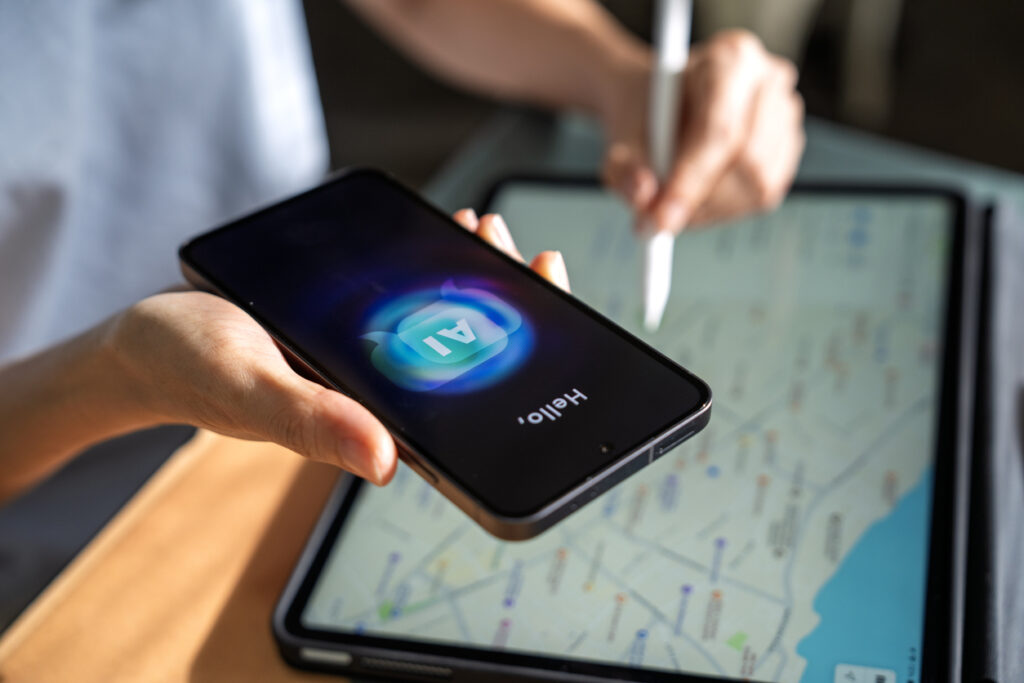 For nearly two decades, Google has been the uncontested gateway to the internet. If you needed information, a product, a plumber, a restaurant, or an answer to a question, you Googled it.