
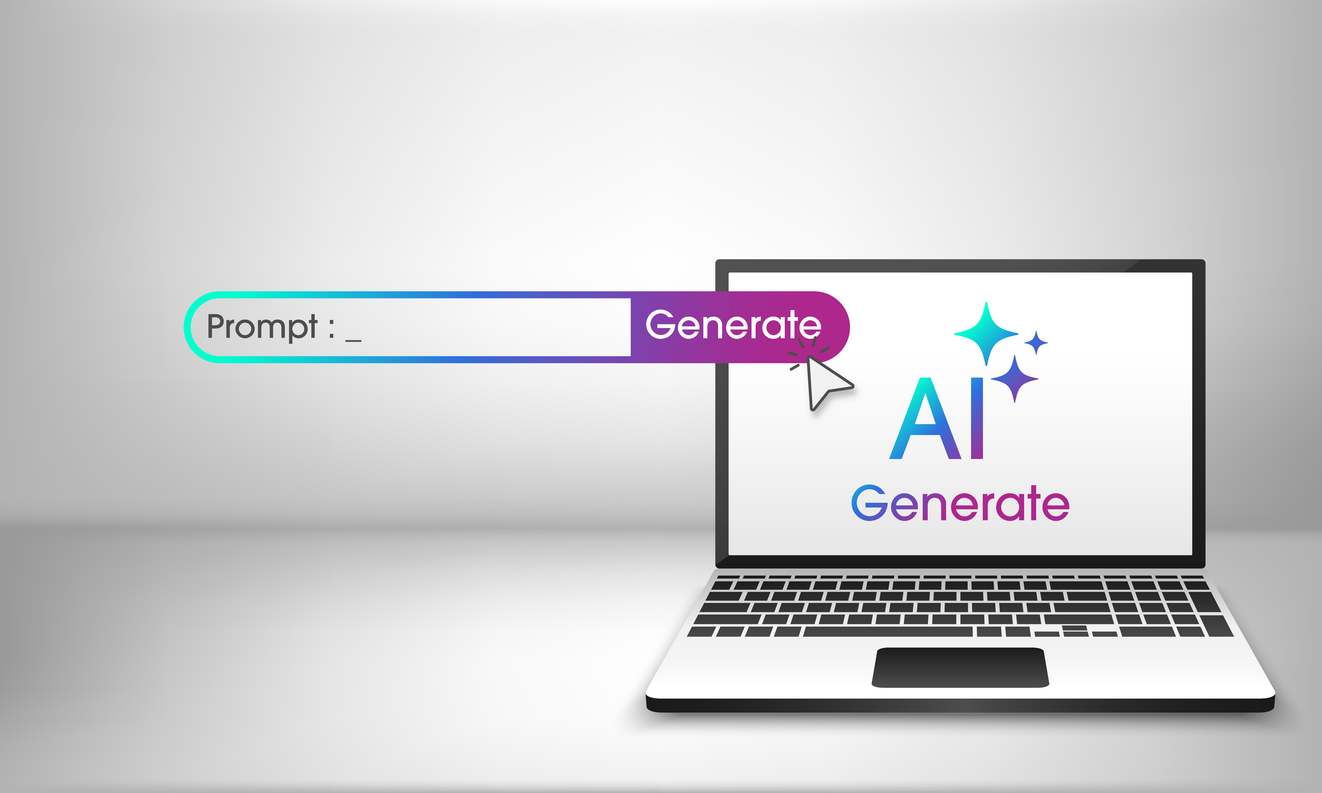
There’s a question worth asking about your website right now — not whether it ranks well, not whether it loads fast, but whether it’s actually built to be cited by AI systems that millions of people use every day to make decisions.
For most businesses, the honest answer is no. Websites have been engineered for decades around one goal: earning a click from a search engine results page. That meant keyword density, backlink profiles, meta tag optimisation, and page speed scores. All of it still matters. But none of it was designed with AI citation in mind, and the gap is starting to show up in who gets recommended and who gets ignored.
This is the structural challenge at the heart of generative engine optimization — and fixing it isn’t about rebuilding your site from scratch. It’s about understanding what AI systems actually look for when they decide which sources to trust.
Why AI Search Optimization Requires a Different Site Architecture
AI search optimization isn’t just traditional SEO with a new name. The underlying retrieval mechanism is different. When a user asks Perplexity or a ChatGPT plugin a question, the system doesn’t match keywords to pages — it embeds the query into a vector space and retrieves documents whose semantic content is closest to the question’s meaning.
What this means practically: your content needs to be structured so that individual sections are self-contained and answer-complete. A page that builds slowly toward a conclusion — burying the key insight five paragraphs down — performs poorly in AI retrieval. A page that states its core answer in the first sentence of every section, then supports it, performs significantly better.
This is the first and most actionable shift in generative AI SEO strategies: move from conclusion-last writing to conclusion-first architecture across every major page on your site.
The Technical Signals AI Retrieval Systems Actually Check
Generative AI in SEO strategies has a technical layer that most guides underemphasise. Three signals matter more than most site owners realise:
Schema markup. FAQPage, Article with dateModified, and Organisation schema don’t just help Google — they reduce ambiguity for AI retrieval pipelines. They tell automated systems what type of content this is, who produced it, and when it was last verified. Pages without schema require the system to infer all of this, which introduces uncertainty and reduces citation confidence.
Content freshness signals. RAG-based AI platforms weigh recency. A page with a dateModified timestamp from last week will consistently outperform an identical page dated two years ago. Updating your most important pages — even by adding a new paragraph or refreshing a statistic — and updating that timestamp creates a measurable freshness signal.
Crawl accessibility. Content behind login walls, delayed by JavaScript rendering, or blocked in robots.txt is invisible to retrieval systems regardless of quality. Run a technical audit specifically for AI crawler accessibility, not just Googlebot compatibility.
GEO Marketing Strategies That Change How Your Content Gets Found
GEO marketing strategies work at the intersection of content structure and authority signals. The brands consistently appearing in AI responses share a pattern: they publish content that answers specific, high-intent questions with directness, specificity, and credibility signals that give AI systems confidence to cite them.
Three content adjustments that improve AI citation rates immediately:
- Open every section with a declarative answer. Don’t warm up — answer immediately. “The most effective way to [topic] is…” beats “When considering [topic], there are several factors…”
- Use FAQ sections on every substantive page. Questions should mirror how users phrase queries to AI tools — conversational, context-rich, and specific to the page topic.
- Include verifiable specifics. Statistics with dates, named methodologies, and concrete examples give AI systems quotable material. Vague claims get passed over; specific claims get cited.
These are also generative AI best practices for SEO that simultaneously improve traditional ranking signals — so the investment works across both channels.
GEO Search SEO and the Future of Digital Marketing
Geo search SEO used to refer exclusively to local search optimisation. That definition is expanding. In the AI search era, “geo” increasingly describes the broader territory of where and how your brand appears in generated responses — across platforms, query types, and user contexts.
The future of digital marketing is not a choice between AI search and traditional search. It’s building content and authority infrastructure that performs across both simultaneously. The brands investing in that dual-channel architecture now are establishing citation authority that will compound for years.
Every week your site remains optimised only for the old model is a week a competitor — with better-structured content and stronger AI authority signals — gets cited instead of you.
How TruScaler Rebuilds Your Site for AI Citation
Knowing what needs to change and executing it consistently across an entire website are two different challenges. TruScaler brings the technical depth and strategic clarity to bridge that gap — auditing your current site architecture against AI citation standards, implementing schema and freshness signals across priority pages, restructuring content for RAG retrieval performance, and building the earned authority signals that make AI systems confident in citing your brand. For businesses ready to stop relying on a website built for yesterday’s search and start building one that performs in today’s AI-driven environment, TruScaler delivers the transformation with measurable, trackable results.
FAQ: Building a Website That AI Systems Will Cite
Does website age affect AI citation potential?
Not directly. AI systems weigh content quality, specificity, and authority signals — not domain age. A well-structured newer page will consistently outperform an older but poorly formatted one in AI retrieval.
How many pages should I prioritise for AI citation optimisation?
Start with your ten to fifteen highest-value service or product pages — the ones that answer the questions your buyers most commonly ask AI tools. Optimise depth before breadth.
Does generative engine optimization require rebuilding my entire website?
No. It requires restructuring how content is written and adding technical signals — schema, freshness timestamps, and crawl optimisation. Most of this can be done as a layer on top of your existing site architecture.
How quickly will AI citation improve after making these changes?
For RAG-based platforms like Perplexity and Google AI Overviews, changes in how your content is retrieved can show results within four to six weeks. Broader authority improvements build over several months.
Your Site Either Works for AI or It Works Against You
There is no neutral position. Websites that aren’t structured for AI citation are actively disadvantaged — their content gets passed over in favour of sources that give retrieval systems exactly what they need to cite confidently.
Reach out to TruScaler today and turn your website into an asset that earns generative engine optimization authority — one that gets cited, quoted, and recommended by the AI tools your customers already trust.